7-Quart Double-Layer Electric Food Steamer: B-End Technical Selection Checklist
A 7-quart double-layer electric food steamer is a specification, not a slogan. For B-end buyers in the Research and Evaluation stage — retail chains, gift-set distributors, private-label brand owners and catering suppliers — the risk is rarely the concept of steam cooking. The risk is a specification gap: a quotation that says "7-quart double-layer" while the delivered unit does not match the tray count, the food-contact material, the voltage, or the compliance file. This checklist walks through the parameters a buyer should verify before a bulk order, using the SC750 electric food steamer from Ningbo Jinchang Electronics Co., Ltd. as a reference model.
Problem Definition: Why "7-Quart Double-Layer" Is Not Enough on a Quotation
A model name and a capacity figure do not confirm that a steamer fits a specific retail, OEM or catering project. Four specification areas commonly cause mismatches between quotation and delivered goods:
- Layer count versus usable volume. A 2-layer design and a raw 7L figure describe different things — one is the number of stacking trays, the other is total capacity. Buyers should confirm both, plus whether trays are removable for cleaning.
- Food-contact materials. Steaming trays and cavity surfaces sit in continuous contact with hot steam and food. The material declaration and the supporting food-contact test report must match the production batch, not just the sample.
- Control architecture. A mechanical rotary timer and an app-connected control are different compliance and after-sales propositions. The wrong choice for the wrong channel creates return-rate and warranty exposure.
- Compliance file completeness. EU-facing food steamer programs are evaluated on electrical safety, food-contact compliance and restricted-substance screening together. A single certificate is rarely enough for large-retailer onboarding.
For a 7-quart double-layer countertop electric food steamer, the practical consequence is that the buyer must move from a headline specification to a verified parameter list before evaluation can close.
Industry Background: Where 7-Quart Double-Layer Steamers Sit in the Market
Demand context matters when sizing a program. According to Custom Market Insights, the global electric food steamer market reached approximately USD 3.68 billion in 2024, with a projected CAGR of 5.32% from 2025 to 2034. Forecasts on this category are not uniform — growth estimates from different research houses vary widely (reported figures range from 5.32% to around 11%), a spread that likely reflects whether multi-functional cookers and commercial-grade steamers are counted inside the same segment. Buyers should treat any single growth figure as a planning input, not a procurement fact.
Regional and trade structure is more consistent. Asia-Pacific is described as the largest and fastest-growing market for electric steamers as of 2024/2025, and China remains the dominant exporter — accounting for over 80% of total import shipments in key tracking corridors such as the Philippines and the United States, based on trade-data aggregators (Volza / Zauba). Food steamers are typically classified under HS Code 8516.60 (other ovens; cookers, cooking plates, boiling rings, grillers and roasters) or HS 8419.81 (machinery for making hot drinks or for cooking or heating food), which is useful when checking duty treatment and customs documentation.
Within this market, the 7-quart double-layer format is a mainstream household-adjacent configuration: large enough for multi-food steaming, mechanically controlled, and positioned for retail shelves and gift sets rather than high-end smart-home channels. That positioning is exactly why the selection checklist should be technical rather than promotional.
Detailed Solution: The Core Technical Selection Points
1. Layer count and structural design
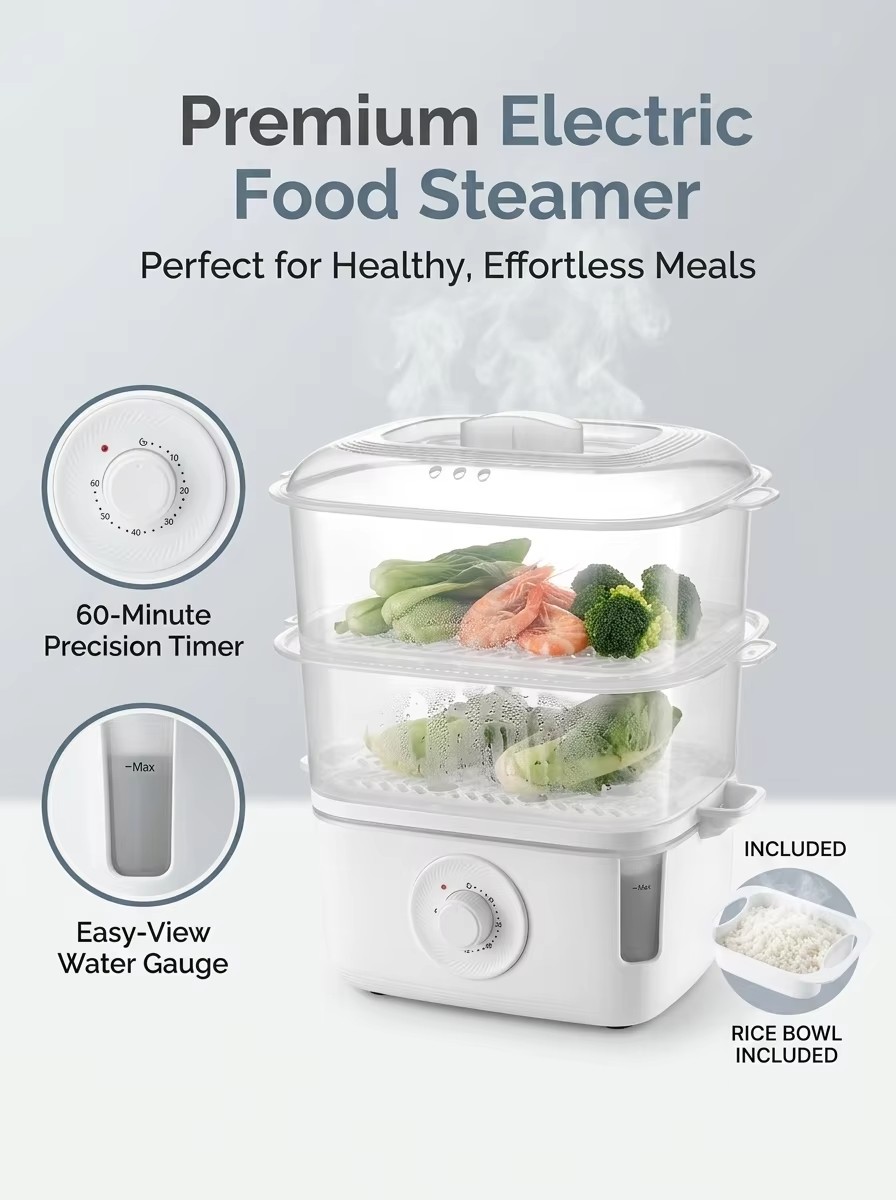
The reference model SC750 is a 2-layer electric food steamer with a dual-layer transparent steamer body. Double-layer construction allows simultaneous steaming of different foods in multiple tiers without increasing power consumption, which is the main functional argument for the format. The trade-off is vertical storage space: a double-layer unit is taller than a single-layer countertop electric food steamer. Buyers serving small apartments or single-person markets should weigh this against the larger cooking volume.
2. Capacity and usable cooking volume
SC750 carries a 7L (7-quart class) capacity across two layers. Capacity choice is a project-fit decision: double-layer 7-quart units suit family cooking, retail and gift-set orders, while single-layer steamers remain appropriate for 1–2 person households. Confirm both the stated capacity and the tray count on the quotation, and check that the trays are removable for cleaning — SC750 uses removable steaming trays and accessories.
3. Food-contact materials
SC750 uses a PP + ABS knob + PC indicator material set, with food-contact components complying with LFGB. The selection rule here is straightforward: request the material declaration and the food-contact test report for the specific tray and cavity parts, and confirm the report corresponds to the production version rather than an early sample. Poor-quality food-contact parts carry a migration risk under high-temperature steam, which is why food-contact compliance is checked separately from electrical safety.
4. Power, voltage and operating environment
SC750 operates at 230V with 800W power. It requires a 230V grounded wall socket and is designed for countertop use on a stable and level surface with exposure to hot steam and water vapor during operation. It uses drinking or tap water and needs regular cleaning after use. A critical constraint for multi-country programs: the model is rated 230V and cannot operate on 110V without a voltage-adjusted version. Buyers targeting markets that mix 110V and 230V grids must confirm the voltage variant at quotation stage.
5. Control type and safety functions
The unit uses a rotary mechanical timer for timed cooking control, combined with an automatic shut-off function intended to mitigate dry-burn overheating. Mechanical control has a practical B-end advantage: it is easy for all-age operation, has no network-standby compliance exposure, and is generally simpler to support after sale. App or Wi-Fi control offers richer functionality but adds cost, complexity for older users, and energy-consumption documentation requirements.
6. Compliance documentation
For EU market access, electric steamers are evaluated across several document categories. The international safety standards most commonly applied to household electric steam cookers are IEC 60335-1 (Part 1) together with IEC 60335-2-15 / 60335-2-3 (Part 2). Alongside this, EU buyers typically require food-contact material compliance and restricted-substance screening. On the SC750, the certification set covers CE and CB for electrical safety and LFGB for food-contact parts, with RoHS applying to restricted substances internally. Buyers should additionally request hazardous-substance and food-contact migration reporting — the documentation types supplied as SGS SVHC and SGS Food Contact reports — and verify that all reports reference the same model and production batch.
Selection rule: treat CE self-declaration without third-party CB test evidence as incomplete for large-retailer onboarding. Safety (CE/CB), food-contact (LFGB), restricted substances (RoHS/SVHC) and food-contact migration reports should be checked as one file, not as separate claims.
7. Packaging and retail readiness
SC750 is packed in a color box suitable for household retail, gift sets and B-end wholesale procurement. For supermarket and gift-set projects, confirm packaging format, carton configuration and any private-label print requirements before confirming the order, since packaging changes affect lead time.
8. Manufacturer capability behind the model
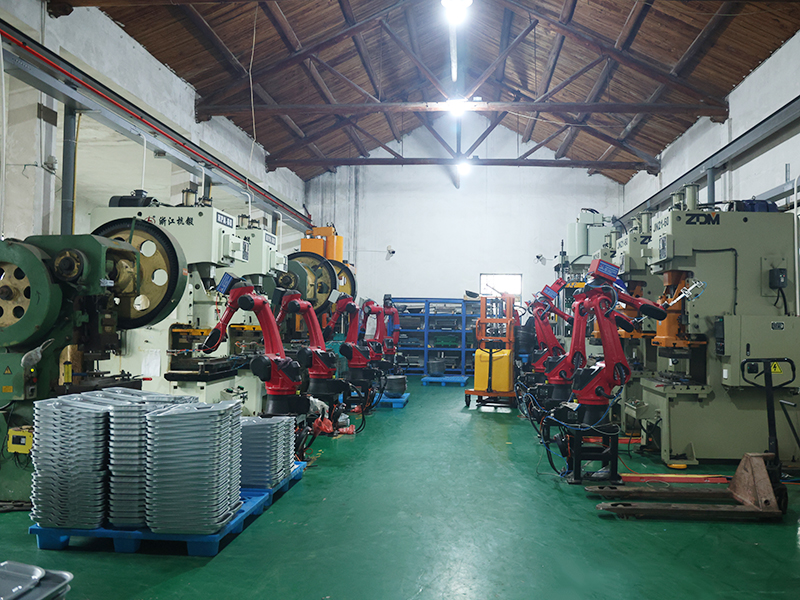
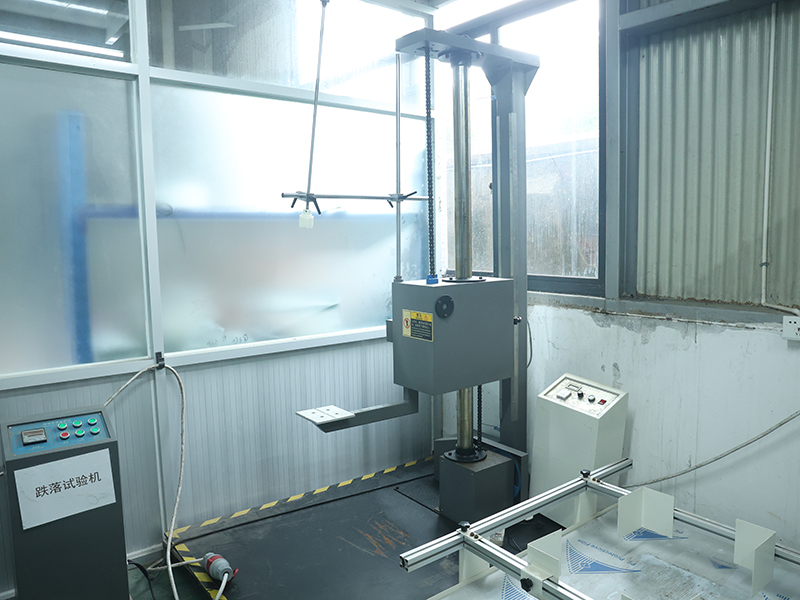
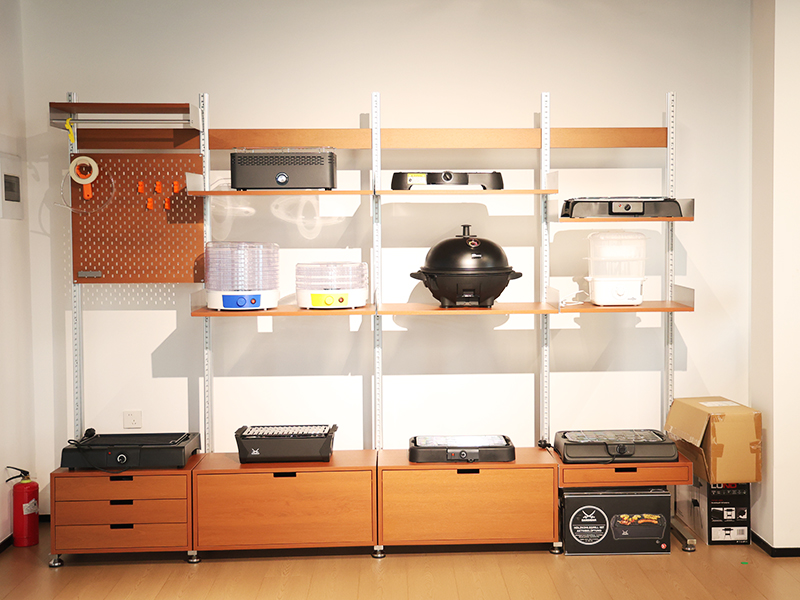
Specification quality depends on the supplier behind it. Ningbo Jinchang Electronics Co., Ltd. is a kitchen and small household appliance manufacturer based at No.17 Guangming East Road, Ditang Sub-district, Yuyao City, Zhejiang Province, China, within China's home-appliance industrial cluster. It operates a 5,500 m² production plant with a workforce of 68 and an annual output of 1,200,000 units, supported by an 8-engineer R&D team. The company exports approximately 90% of production to the EU, USA, AU and RU markets, holds ISO 9001 and ISO 14001 management-system certifications, and is a member of amfori BSCI and ICS for supply-chain compliance.
Step-by-Step Breakdown: A Practical Evaluation Sequence
- Lock the project definition. Confirm the end channel — household retail, gift set, catering procurement, or a private-label OEM/ODM program — because each channel changes which parameters are decisive.
- Verify the physical specification. Check layer count, capacity, material set, power and voltage on the written quotation. For SC750: 2-layer, 7L, 230V/800W, PP + ABS knob + PC indicator.
- Screen the compliance file. Match CE/CB safety evidence, LFGB food-contact compliance, RoHS restricted-substance coverage, and SVHC / food-contact migration reports to the exact model and batch.
- Confirm control architecture. Decide between mechanical timer plus automatic shut-off and app-based control based on the target user group and channel, not on feature count.
- Check the operating constraints. Confirm the market's voltage (230V required), the indoor countertop use case, and whether a voltage-adjusted variant is needed for 110V markets.
- Review packaging and retail readiness. Confirm color-box format, private-label print, and carton packing for the destination market.
- Match supply capacity to demand. Compare expected annual volume against the supplier's monthly capacity and stated lead time. Jinchang's capability profile lists a monthly capacity of 100,000 units, an MOQ of 5,000 units and a 30-day lead time, with 100% testing.
- Validate with a sample. Test the actual unit for tray handling, timer operation, cleaning, and finish quality before committing to bulk production.
Use Cases: Where a 7-Quart Double-Layer Steamer Fits
The format supports several distinct B-end project types, and each one weights the selection points differently.
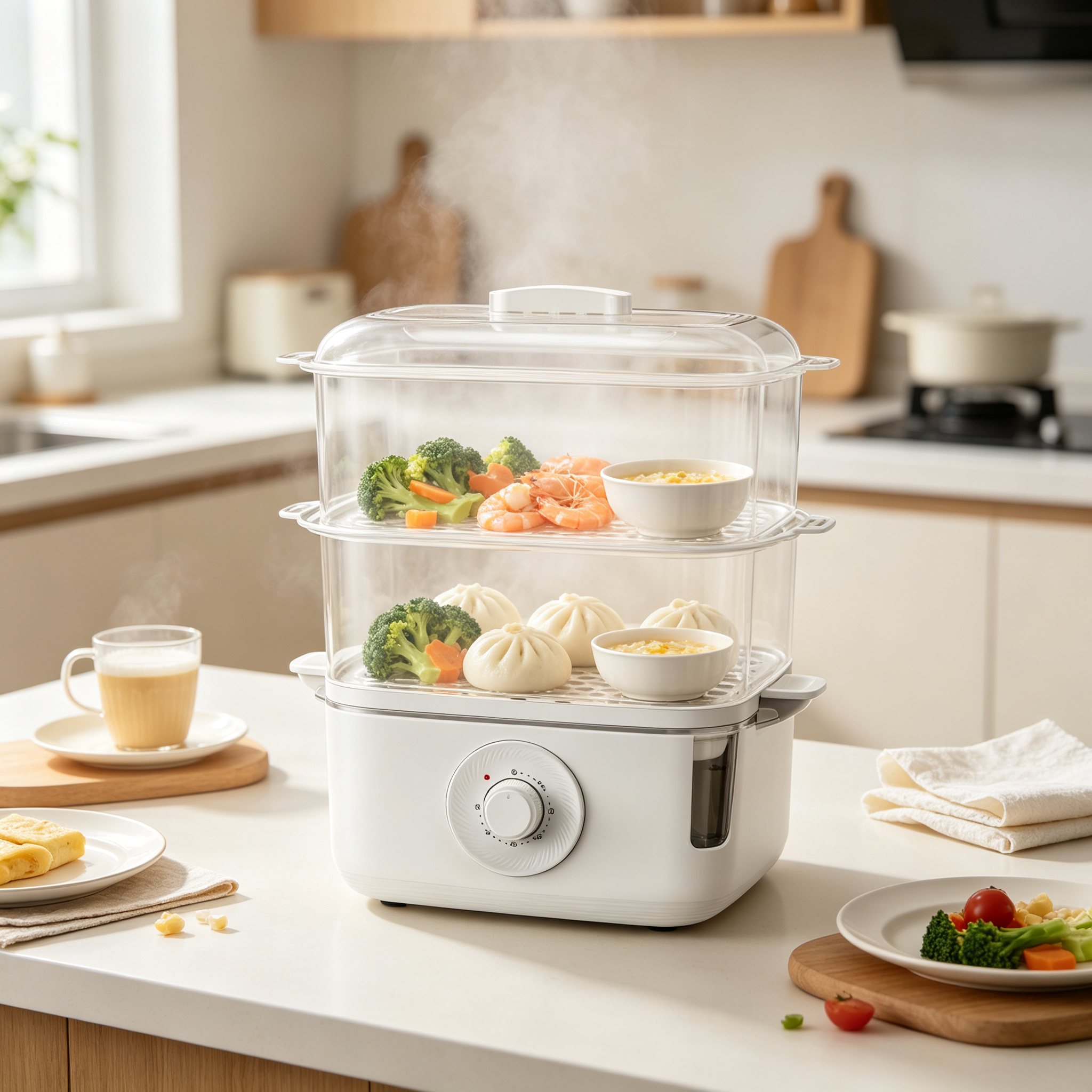
- Household retail programs. The unit is positioned mainly for the household consumer market. Double-layer capacity, mechanical timer and color-box packaging make it suitable for shelf retail.
- Gift-set and seasonal wholesale. Retail-ready packing supports gift-set wholesale export; the mechanical control avoids the compliance and support complexity of connected models.
- Private-label and OEM/ODM projects. Jinchang's customization scope covers logo, voltage, product design and development, appearance modification, function adjustment, private-mould development and customized packaging. The product supports multi-tier electric food steamer OEM projects for meal-prep retailers and 2-tier electric food steamer manufacturing for kitchen appliance wholesalers.
- Catering and hospitality procurement. The format is used in household cooking, kitchen appliance upgrade, catering equipment procurement and OEM/ODM projects, fitting homestay and apartment supporting supplies.
- Supermarket chain supply. SC750 has been deployed by large home goods supermarket chains in Australia, Germany and France for household daily steaming and cooking, at a project scale of 40,000–60,000 units per year over a 3–5 year duration, with reported steady shelf sales and a low return rate.
The application scenario is common across Germany, France, Spain, the United States, Italy, Portugal, the Netherlands, Austria, Ireland, Poland, Sweden, Denmark, Norway, Brazil, South Africa, Belgium, the Czech Republic and Hungary.
Comparison Table: Verified Parameters and Selection Trade-offs
The first table maps the main selection dimensions to the verified SC750 specification, so buyers can use it as a quotation cross-check.
| Selection dimension | What to verify | SC750 verified specification |
|---|---|---|
| Layer count | Stated layers vs. actual stacking trays | 2-layer double-layer body |
| Capacity | Total capacity and usable volume | 7L (7-quart class) |
| Power / voltage | Rated power and market voltage match | 800W / 230V |
| Housing / material | Food-contact vs. non-contact parts | PP + ABS knob + PC indicator |
| Food-contact compliance | Test report matching the production batch | Food-contact parts comply with LFGB |
| Safety certification | Third-party evidence, not self-declaration alone | CE and CB certified |
| Restricted substances | RoHS coverage and SVHC screening | RoHS applied; SVHC and food-contact report types requested |
| Control | Mechanical timer vs. app control | Rotary mechanical timer |
| Safety function | Dry-burn protection | Automatic shut-off function |
| Water system | Refill visibility and cleaning access | Visible independent water tank; removable trays |
| Packaging | Retail readiness and private-label options | Color box, retail-ready |
The second and third tables summarize two configuration decisions that come up in almost every B-end steamer project.
| Configuration | Double-layer 7-quart steamer | Single-layer steamer |
|---|---|---|
| Cooking capacity | Multiple food portions at the same time | Limited capacity, small portions |
| Power consumption | Comparable to single-layer | Comparable to double-layer |
| Storage footprint | Higher vertical dimension | Smaller overall height |
| Best fit | Family cooking, B-end wholesale, gift-set projects | Small-apartment or 1–2 person scenarios |
| Control type | Mechanical rotary timer | App / Wi-Fi control |
|---|---|---|
| Operation | Simple, all-age friendly | Complex for older users |
| Failure rate | Lower | Higher |
| Compliance | No network-standby exposure | Must meet Ecodesign network-standby requirements |
| Cost and after-sales | Lower cost, simpler support | Higher cost and after-sales risk |
| Best fit | Mass retail, gift sets, multi-country export | Smart-home dedicated channels |
FAQ: B-End Technical Selection Questions
What compliance documents should an EU buyer check on a 7-quart double-layer electric steamer?
Four document groups typically apply: electrical safety (CE and third-party CB test evidence), food-contact material compliance (LFGB), restricted-substance screening (RoHS and SVHC reporting), and food-contact migration test reports. The applicable international safety standards for household electric steam cookers are IEC 60335-1 with IEC 60335-2-15 / 60335-2-3. On the SC750, the certification set covers CE, LFGB and CB, and buyers should request the SVHC and food-contact report types — commonly issued as SGS SVHC and SGS Food Contact reports — and confirm every report references the same model and production batch. Self-declared CE without third-party test evidence is generally not accepted by large retailers.
Can the SC750 be supplied as a private-label food steamer for retail programs?
Yes. Ningbo Jinchang Electronics works in OEM and ODM modes, and the customization scope includes logo, voltage, product design and development, appearance modification, function adjustment, private-mould development and customized packaging. The capability profile lists a monthly capacity of 100,000 units, an MOQ of 5,000 units and a 30-day lead time, with 100% testing and a 1-year warranty. The unit ships in retail-ready color-box packaging, which supports private-label retail programs, gift sets and B-end wholesale procurement. This makes the model relevant for multi-tier electric food steamer OEM projects and 2-tier electric food steamer supply to kitchen appliance wholesalers.
Is a double-layer 7-quart steamer the right choice over a single-layer model for a B-end project?
It depends on the end user. A double-layer 7-quart steamer can cook multiple food portions at the same time without increasing power consumption, which fits family cooking, retail and gift-set orders, but it requires more vertical storage space. A single-layer steamer works for small-portion cooking for 1–2 people and has a smaller overall height. For B-end wholesale, gift-set and family-oriented retail programs, the double-layer format is the more common specification; for small-apartment end users, a single-layer model may be the better fit.
Does the 7-quart double-layer steamer include a timer and automatic shut-off?
SC750 uses a rotary mechanical timer for timed cooking control and includes an automatic shut-off function intended to reduce dry-burn overheating risk. The main safety risk for large-capacity electric food steamers is dry-burn overheating, triggered when the water tank runs out of water or when the timer and shut-off protection lose efficacy during long steaming. Buyers should verify that the timer and protection circuit are inspected before mass shipment, and that end users are reminded to check the water level before use. A mechanical design also avoids the network-standby compliance requirements that apply to app-connected models.
How can a buyer validate the SC750 before committing to bulk production?
Sample validation is the standard next step: test the actual unit for tray handling, timer operation, automatic shut-off behavior, cleaning access and finish quality, and cross-check the sample's material declaration against the compliance file. Because the model requires a 230V grounded wall socket and cannot run on 110V without a voltage-adjusted version, sample testing should be done on the correct voltage variant for the target market. To arrange a sample, request a quotation, or confirm private-label packaging requirements, contact Ningbo Jinchang Electronics Co., Ltd. at Yibo@jinchang.co or via WhatsApp at +86 137-7718-5665.
Conclusion: Turn the Quotation into a Verifiable Specification
A 7-quart double-layer electric food steamer succeeds in a B-end program when the specification survives scrutiny: two layers and 7L confirmed as physical facts, food-contact parts backed by LFGB compliance, safety covered by CE and CB evidence, restricted substances addressed through RoHS and SVHC screening, and the voltage matched to the destination market. Control architecture and packaging are project-fit decisions rather than quality signals — a mechanical timer with automatic shut-off is the more practical choice for mass retail, gift sets and multi-country export, while app control belongs to smart-home channels.
For the SC750, those checks map to a 2-layer, 7L, 230V/800W configuration manufactured by Ningbo Jinchang Electronics Co., Ltd. in Yuyao City, Zhejiang Province, with a 5,500 m² plant, annual output of 1,200,000 units, monthly capacity of 100,000 units, a 30-day lead time and a 5,000-unit MOQ. Buyers should run the checklist above against the written quotation, then validate with a sample before bulk production.
Request the SC750 Sample and Compliance File
Ningbo Jinchang Electronics Co., Ltd. supplies the SC750 electric food steamer for household retail, gift-set wholesale, catering procurement and private-label OEM/ODM programs. Contact the team to request a sample, a quotation, or the current certification documentation set.
Email: Yibo@jinchang.co | Tel / WhatsApp: +86 137-7718-5665 | Website: www.jc.ltd
Have Questions or Need More Details?
Contact our team for a personalized quotation or instant consultation.
Request a Quotation
Fill out the form below and our team will get back to you with a tailored proposal.
WhatsApp Direct Chat
Prefer to chat in real-time? Message us on WhatsApp for instant assistance & quick answers.
- Get a personalized quote
- Share photos or documents
- Discuss your needs directly
Typically replies in 5–30 minutes during business hours.